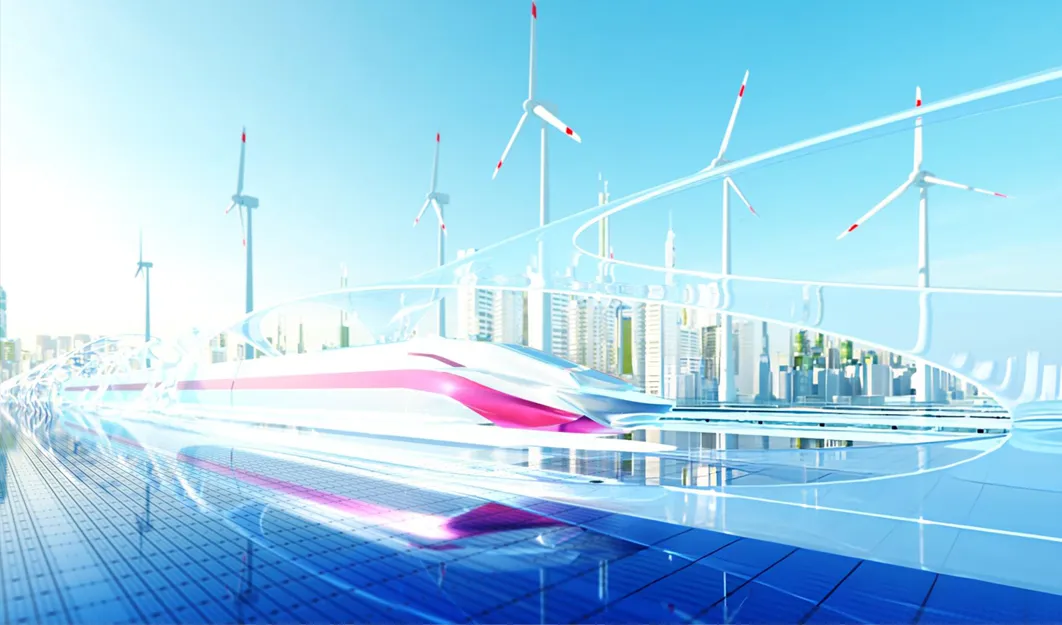
Why Smart Cities Should Be Green Cities
🌍 Introduction: The Future of Cities Lies in the Harmony of Humans and Nature
Humanity faces two major challenges — rapid urbanization and depletion of natural resources.
Over 70 million people move to cities each year, putting pressure on energy, water, and waste systems.
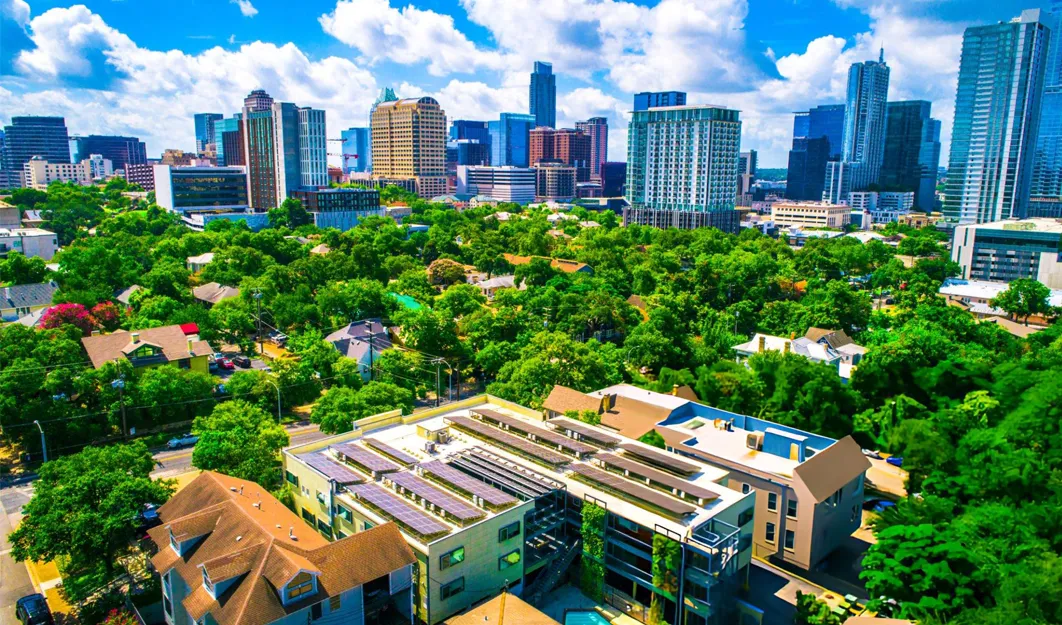
The solution lies in the Smart-Green City model — integrating technology, ecology, and economy into one balanced system.
Smart cities represent not only comfort and innovation but also social justice, economic efficiency, and environmental balance.
---
🧠 1. Smart City vs Green City — Unity in Purpose
A Smart City uses digital technologies to automate transport, energy, healthcare, and governance.
A Green City prioritizes ecological balance, renewable energy, and zero-waste principles.
Technology without ecology pollutes, and ecology without smart management is inefficient.
Together they form the Smart-Green City — a harmony of innovation and sustainability.
---
🌿 2. Why Smart Cities Must Be Green
🌱 a) Environmental Safety & Human Health
90% of the world breathes polluted air.
Green cities reduce CO₂ emissions by up to 60%, save water, and ensure clean air using real-time monitoring systems.
⚡️ b) Energy Efficiency & Economic Savings
Solar, wind, and bioenergy systems power the city, while smart lighting cuts electricity use by 60%.
Water recycling systems save thousands of cubic meters annually.
🚯 c) Circular Economy
Smart waste management enables up to 90% recycling — creating green industries and jobs.
🚲 d) Sustainable Mobility
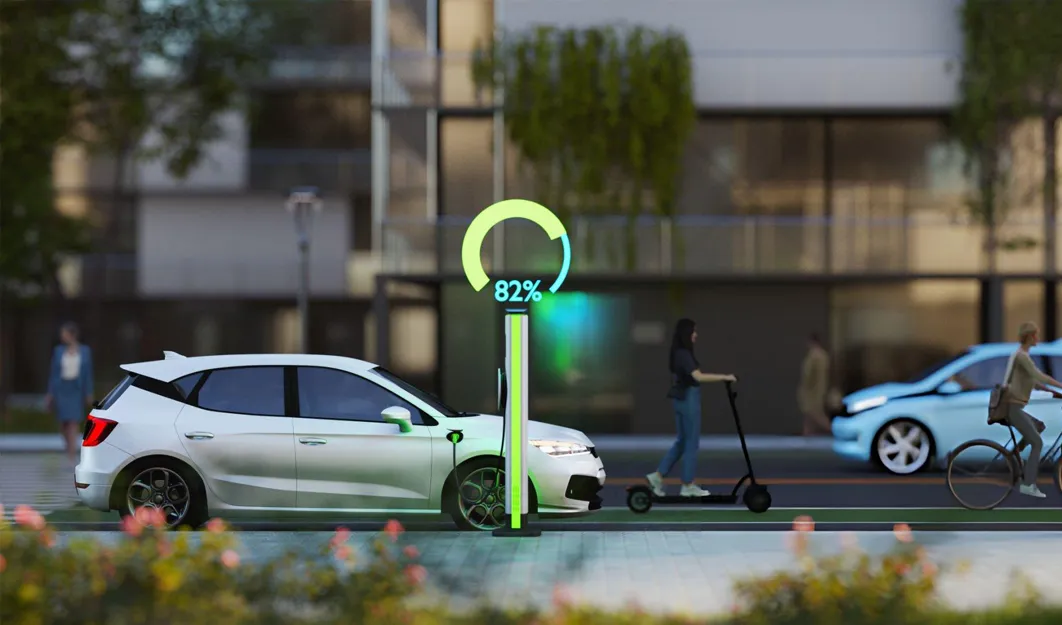
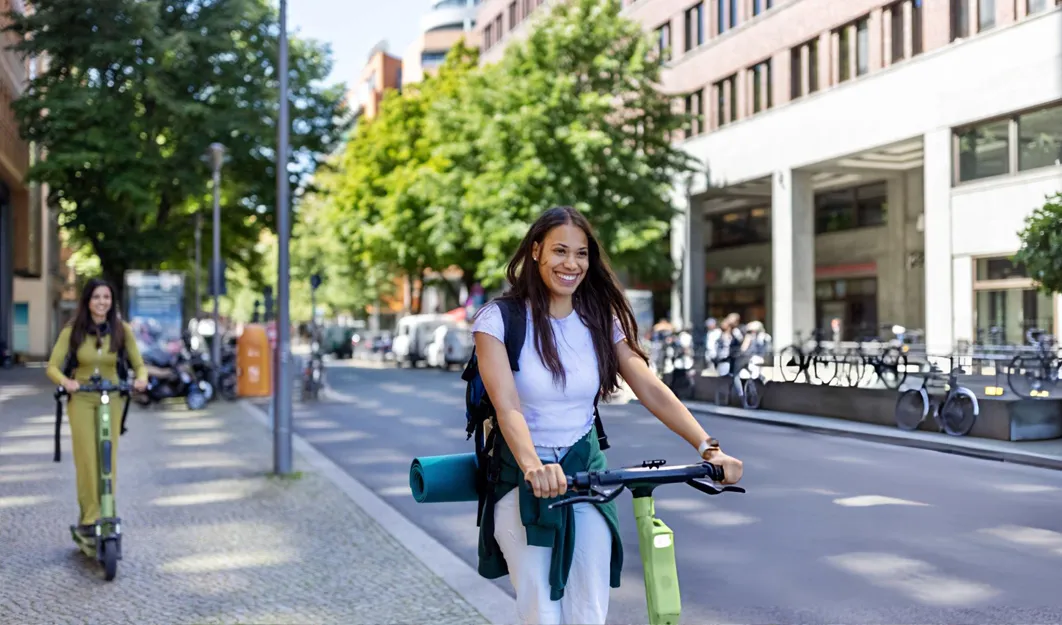
Electric buses, bike paths, pedestrian areas, and the 15-minute city model reduce emissions and noise.
---
💼 3. Economic Opportunities
💰 a) Green Investment
International banks now prioritize funding for sustainable projects, drawing global investors.
🏭 b) Job Creation
Renewable energy and green tech industries create millions of jobs — the UN projects 24 million by 2030.
🏗️ c) Local Economic Stability
Resource efficiency boosts tourism and small business growth — Copenhagen earns €1.6 billion yearly from green infrastructure.
---
👨👩👧 4. Social Opportunities
🤝 a) Quality of Life
Cleaner air, more parks, safer transport — healthier, happier citizens.
📱 b) Digital Inclusion
Free internet and e-services give equal access to all residents.
👩🎓 c) Education & Innovation
Smart-Green cities host universities, R&D parks, and startup zones — innovation thrives.
---
🌏 5. A Historic Opportunity for Central Asia
Projects like Central Asia Smart-Green City combine renewable energy, smart infrastructure, and research ecosystems, shaping a sustainable future for the region.
---
🌿 Green thinking is responsibility for future generations.
Smart-Green Cities are humanity’s next step toward ecological, economic, and social harmony.