The world's tallest building of 2025 has been named
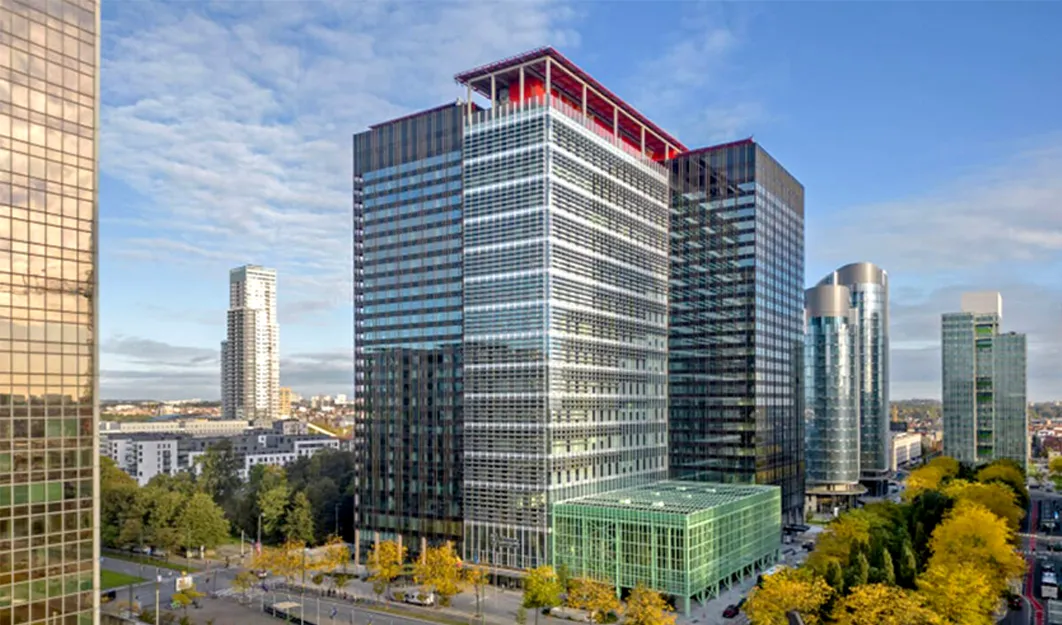
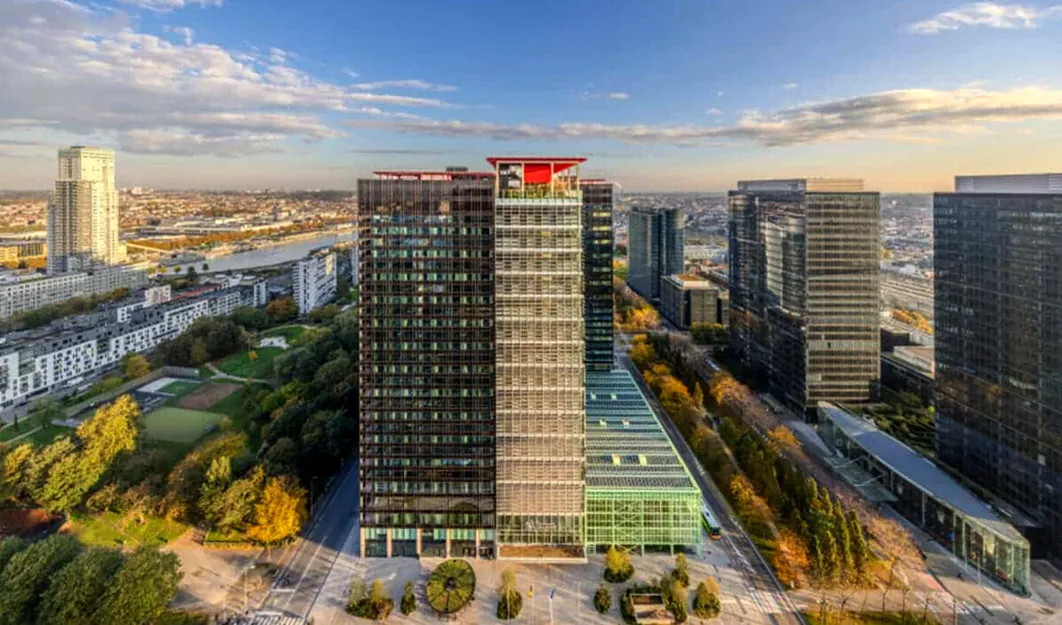
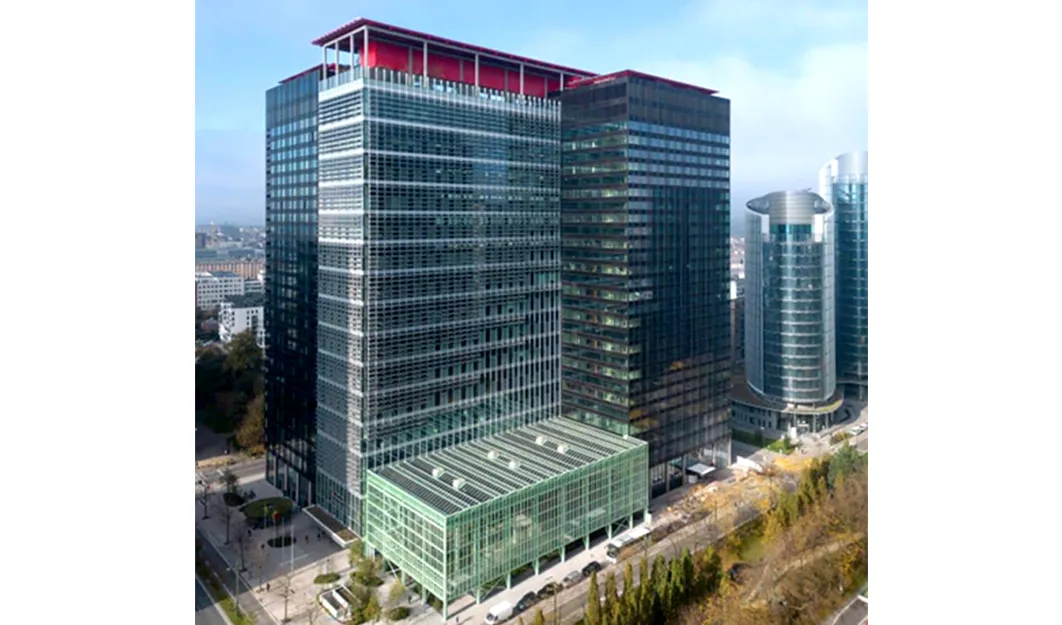
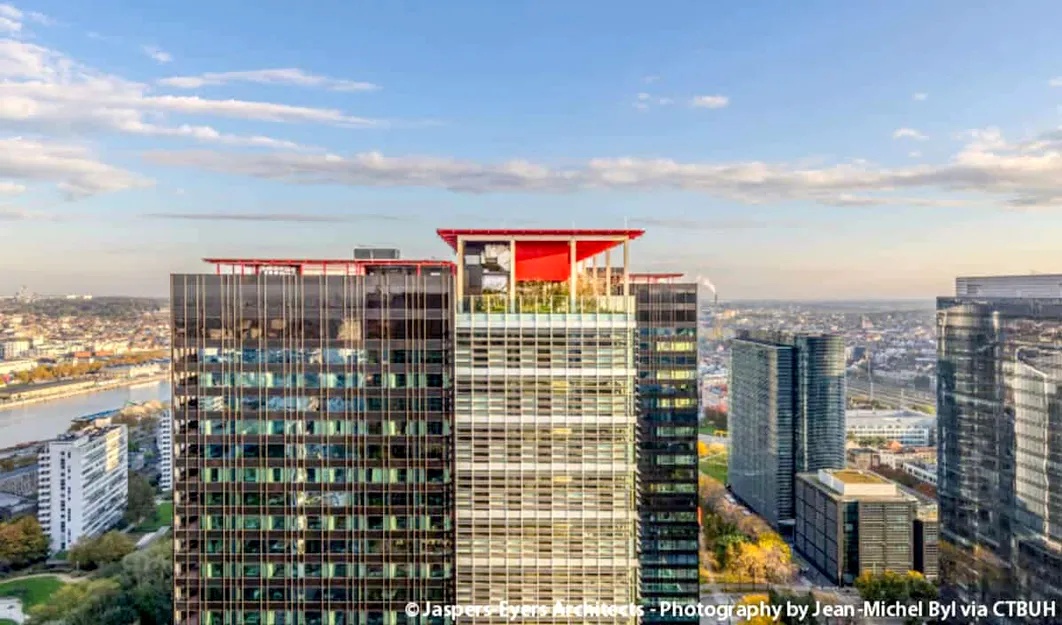
The Council on Vertical Urbanism (CVU) - formerly known as the Council on Tall Buildings and Urban Habitat (CTBUH) - has named the ZIN project in No(o)rd, located in Brussels, Belgium, the "Best Tall Building of 2025".
https://naked-science.ru/community/1121375
After reading this article, I wanted to share my thoughts in full.
"ZIN in No(o)rd" project: Technical-urban analysis
Brief description of the project:
Located in Brussels; transformation of two old office towers (buildings from the 1970s) → based on their merging and adding a new, vertical segment.
Height: ~111 meters.
Function: mixed-use - office, residential, hotel, public spaces combined.
Ecological principles: a large part of the existing structure was retained (“85 % mass existing structures retained”) and more than 60 % of the building materials were reused.
Green spaces and energy efficiency technologies were introduced.
Human-centered aspects:
As an expert in the field, the following aspects caught my attention:
1. Ergonomic living environment
Mixed-use buildings will be closer to meeting people's daily needs: work, living, recreation (hotels, public spaces) in one complex. This reduces the time people spend on transportation, strengthens social ties, and increases the liveliness of city life.
2. Psychological health and green spaces
Green areas - open balconies, terraces, interior gardens and vertical gardens - improve people's mental health, reduce stress. Elements of natural light and air circulation (ventilation) are also important.
3. Sustainability and resource efficiency
Preserving and recycling existing structures increases efficiency, reduces waste and reduces carbon footprint. Such solutions also benefit human quality of life: less waste → cleaner environment, fewer diseases and health problems related to construction particles.
4. Flexible spaces
The upper segments (different functions) are suitable for transformation: if the needs change (the demand for offices decreases, for housing increases, or vice versa), it is very important to have a structure that can adapt the spaces inside the building.
Implementation of such projects in Uzbekistan: opportunities and solutions
Uzbekistan is experiencing rapid urbanization, cities are expanding, there are many old buildings, industrial zones, office buildings. Projects like “ZIN in No(o)rd” can serve as a model for human-centered solutions in Uzbekistan in the following ways:
Direction Proposals / Example projects Expected benefits
Transformation of old city centers For example, renovation of office/commercial buildings built in the 1960s-70s in the center of Tashkent: adaptation of the internal structure, addition of “green terraces” and elements close to nature on the facade and interior. City centers are revitalized, tourism potential increases, and an aesthetic and comfortable environment for people is created.
Mixed-use complexes in small cities For example, projects in regional centers where housing + commerce + cafes + community centers are located in one place. Housing prices and ease of access to services increase. Transport costs are reduced, people walk more / use public spaces → social connections are increased, health is improved.
Green architecture and energy efficiency Thermal insulation, solar panels, rainwater harvesting systems, natural ventilation, consideration of ventilation direction and direction in construction. Reduces electricity and heating costs, reduces air pollution, health benefits.
Adaptive reuse Restoration of industrial facilities and their reuse as galleries, art centers, coworking spaces or social centers. Culture and art develop, new spaces for the public are opened, and it is much cheaper than new construction.
Legislation and public participation Update urban planning and construction standards: include human-centered criteria in official standards (e.g. natural light, public spaces, sidewalks, open space). Plan projects in consultation with the community. Projects will meet public needs, people will adapt to new spaces, inclusivity and social stability will increase.
In conclusion,
As an expert in the field, I understand that the “ZIN in No(o)rd” project is a practical manifestation of the principles of human-centeredness, sustainability, adaptability and ecology in the urban paradigm. In Uzbekistan, such projects:
Make the urban environment more human-friendly, in terms of pedestrians, open spaces, light, air, emotional well-being;
Can be economically efficient, because it is possible to recycle old buildings vs. build new ones;
Gives cities an identity culturally and aesthetically, and increases their prestige in the international arena.