





CONCEPTUAL STRUCTURES FOR BUILDING A COMPLETE SMART CITY ECO-SYSTEM
Introduction
Urban planning in the 21st century has entered a new era — digital, sustainable, and human-centered. A “Smart City” is not only about technology, but a comprehensive system uniting sustainability, economic balance, and ecological harmony. A fully functioning smart city must operate through an integrated Smart Eco-System.
1. Understanding the Smart City Eco-System
The Smart City Eco-System connects people, technology, infrastructure, and nature through intelligent management mechanisms.
Core components include:
- Digital infrastructure (IoT, Big Data, 5G, AI);
- Energy and resource management;
- Environmental monitoring and green infrastructure;
- Smart mobility and logistics;
- Digital governance;
- Social innovation and human capital.
2. Conceptual Structures
- Green Infrastructure – solar energy, green roofs, zero-waste systems, water reuse.
- Digital Governance – unified data platforms for data-driven decision making.
- Smart Energy – decentralized grids, storage, AI-based balancing.
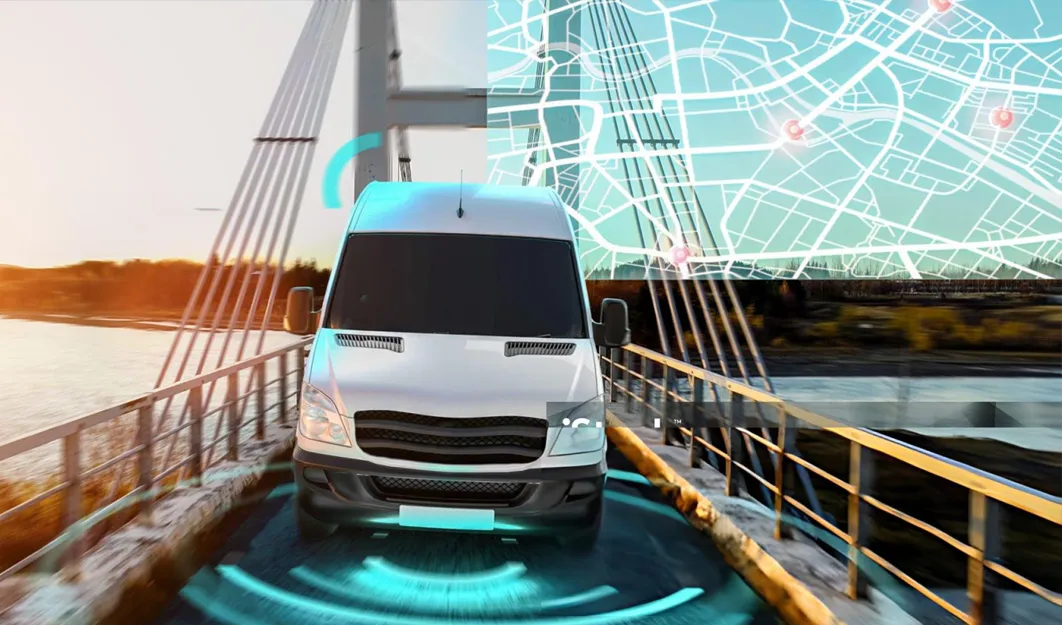
- Smart Mobility – electric and autonomous transport, integrated logistics.
- Innovative Economy – tech parks, R&D hubs, startups.
- Human Capital – smart education, e-health, digital safety, culture.
3. Governance Model
A Public–Private–People Partnership (4P) ensures synergy between government, business, and citizens. The Urban Operation Center (UOC) integrates all urban systems through real-time data analytics.
4. Evaluation Metrics
- Share of renewable energy;
- Reduction in emissions;
- Water recycling rate;
- Quality of Life Index;
- Economic and investment attractiveness.
Conclusion
A Smart City is not merely technology — it’s a living ecosystem where innovation, nature, and human well-being coexist harmoniously.